The average American pays over $1,500 per year for full coverage auto insurance — and many pay far more. But auto insurance rates aren’t fixed. There are dozens of proven strategies to lower your premium without sacrificing the coverage you need.
This guide covers every legitimate way to reduce your car insurance costs in 2026, from quick wins you can implement today to longer-term strategies that compound over time. Most drivers who apply even half of these tips save $200-$600 per year.

What Determines Your Car Insurance Rate?
Before you can lower your rate, you need to understand what drives it. Insurers use dozens of rating factors, but these are the most impactful:
- Driving record: Accidents and violations are the single biggest rate driver. One at-fault accident can raise your premium 30-50%.
- Age and experience: Drivers under 25 and over 75 pay significantly more. Rates typically peak at 16-19 and drop steadily through your 30s and 40s.
- Credit score: In most states, insurers use a credit-based insurance score. Poor credit can double your premium vs. excellent credit.
- Location: Urban drivers pay more than rural drivers due to higher accident frequency, theft rates, and repair costs.
- Vehicle: Expensive cars, sports cars, and vehicles with high theft rates cost more to insure.
- Coverage levels and deductibles: Higher limits = higher premiums. Higher deductibles = lower premiums.
- Annual mileage: The more you drive, the more exposure you have — and the more you pay.
7 Fastest Ways to Lower Your Rate Right Now
- Shop and compare quotes. This is the single most effective action. Rates for identical coverage vary 40-60% between insurers. Get quotes from at least 3 companies every 12 months. Use comparison sites like The Zebra, NerdWallet, or go direct to GEICO, Progressive, and State Farm.
- Bundle your policies. Combining auto with home or renters insurance typically saves 5-15%. State Farm, Allstate, and Nationwide offer some of the best bundling discounts. On a $1,500 auto policy, a 10% bundle discount saves $150/year instantly.
- Raise your deductible. Increasing your collision and comprehensive deductible from $500 to $1,000 typically reduces your premium by 10-15%. Just make sure you have the deductible amount in savings before making this change.
- Enroll in a telematics program. Usage-based insurance programs like GEICO’s DriveEasy, Progressive’s Snapshot, and State Farm’s Drive Safe & Save track your driving behavior and reward safe habits. Average savings: 15-25%. Some programs offer an immediate discount just for signing up.
- Ask about every discount. Most drivers qualify for discounts they never claimed. Common ones: good student (B average or better), military/veteran, professional association, low mileage, paperless billing, paid-in-full, anti-theft device, and defensive driving course.
- Drop unnecessary coverage on older vehicles. If your car is worth less than $4,000-$5,000, carrying collision and comprehensive may cost more than it’s worth. Calculate: if your annual premium for those coverages exceeds 10% of your car’s value, consider dropping them.
- Pay annually instead of monthly. Monthly installment fees add $50-$100/year to your total cost. Paying your full premium upfront eliminates these fees and often earns an additional paid-in-full discount.
Longer-Term Strategies That Compound Over Time
- Improve your credit score. Moving from poor to good credit can reduce your auto insurance premium by 20-30% in states that allow credit-based pricing. Pay bills on time, reduce credit utilization, and dispute errors on your credit report.
- Maintain a clean driving record. Accidents and violations typically affect your rate for 3-5 years. Every year without an incident moves you closer to preferred-driver pricing. One speeding ticket can cost you $300-$500 extra per year for 3 years — $900-$1,500 total.
- Take a defensive driving course. A state-approved course (typically $25-$50 online) earns a 5-10% discount with most insurers and can sometimes remove points from your driving record.
- Choose your next vehicle wisely. Before buying a car, check its insurance cost. Vehicles with high safety ratings, low theft rates, and inexpensive parts cost significantly less to insure. The Honda CR-V, Subaru Outback, and Toyota RAV4 consistently rank among the cheapest to insure.
- Move to a lower-risk area. If you’re relocating, insurance costs vary dramatically by ZIP code. Moving from a dense urban area to a suburb can reduce your premium 15-30%.
Discount Comparison by Insurer (2026)
| Discount Type | GEICO | State Farm | Progressive | Allstate |
|---|---|---|---|---|
| Multi-policy bundle | Up to 25% | Up to 17% | Up to 12% | Up to 25% |
| Good student | Up to 15% | Up to 25% | Up to 10% | Up to 20% |
| Telematics/safe driver | Up to 25% | Up to 30% | Up to 30% | Up to 40% |
| Defensive driving course | Yes | Yes | Yes | Yes |
| Military/veteran | Up to 15% | No | No | No |
| Paid in full | Yes | Yes | Yes | Yes |
How to Choose the Right Coverage Level to Save Money
- Start with your state’s minimum requirements as the floor — never go below them.
- Assess your vehicle’s value using Kelley Blue Book. If it’s under $5,000, dropping collision/comprehensive may make sense.
- Evaluate your assets. If you have significant savings or home equity, you need higher liability limits to protect them — but you can offset the cost with a higher deductible.
- Consider your health insurance. Strong health coverage reduces the need for high MedPay/PIP limits.
- Get quotes at multiple coverage tiers to see the actual cost difference — it’s often smaller than you’d expect.
Frequently Asked Questions
Q: How much can I realistically save by shopping around?
A: Most drivers save $200-$500/year by switching insurers. Some save over $1,000, especially if they haven’t shopped in several years.
Q: Does loyalty to one insurer save money?
A: Rarely. Most insurers offer better rates to new customers than to long-term policyholders. Shopping every 12 months almost always beats loyalty discounts.
Q: Will my rate go down after an accident?
A: Yes — most at-fault accidents affect your rate for 3-5 years, then drop off. Accident forgiveness (available from most major insurers) can prevent the first accident from raising your rate at all.
Q: Does adding a teen driver always raise my rate?
A: Yes, significantly — often 50-100%. Mitigate it by adding them to a safe, inexpensive vehicle, enrolling them in a good student discount program, and using a telematics app to monitor their driving.
Q: Can I lower my rate mid-policy?
A: Yes. You can adjust coverage levels, add discounts, or switch insurers at any time. Most insurers will prorate any refund for unused premium.
Q: Does the color of my car affect my insurance rate?
A: No — car color has no impact on insurance rates. What matters is the make, model, year, safety ratings, and theft statistics.
Q: How does low mileage affect my rate?
A: Driving fewer than 7,500-10,000 miles per year typically qualifies you for a low-mileage discount of 5-15%. Usage-based insurance programs can save even more for very low-mileage drivers.
Final Thoughts
Lowering your car insurance rate doesn’t require sacrificing coverage — it requires being strategic. Shop every year, stack every discount you qualify for, maintain a clean record, and match your coverage to your actual needs.
The drivers who pay the least for auto insurance aren’t the ones with the worst coverage — they’re the ones who actively manage their policies. Start with a comparison quote today and see how much you could save. For more guides, visit the TrayEdit Insurance Hub.
Car Insurance Discount Comparison by Insurer (2026)
| Discount Type | GEICO | State Farm | Progressive | Allstate |
|---|---|---|---|---|
| Multi-policy (bundle) | Up to 25% | Up to 17% | Up to 12% | Up to 25% |
| Good driver (3-5 yr clean) | Up to 26% | Up to 15% | Up to 31% | Up to 45% |
| Telematics program | Up to 25% | Up to 30% | Up to 30% | Up to 40% |
| Good student | Up to 15% | Up to 25% | Up to 10% | Up to 20% |
| Paid in full | Yes | Yes | Yes | Yes |
| Military | Up to 15% | No | No | No |
What to Avoid When Trying to Lower Your Rate
- Dropping necessary coverage to save money. Removing UM/UIM or lowering liability limits to cut costs is a false economy. One serious accident can cost far more than years of premium savings.
- Lying on your application. Misrepresenting your mileage, address, or driving history is insurance fraud. Insurers can deny claims and cancel your policy if they discover misrepresentation.
- Ignoring your credit score’s impact. In most states, your credit-based insurance score is one of the biggest rate factors. Improving your credit score can lower your premium more than almost any other single action.
- Not comparing quotes after a ticket drops off. Most violations stay on your record 3-5 years. When a ticket or accident drops off, shop immediately — your rate should drop significantly.
Expert Tips: Savings Most Drivers Miss
- Low mileage discount. If you drive under 7,500-10,000 miles/year, ask specifically about low-mileage discounts. Some insurers offer 5-15% off. Pay-per-mile programs (Metromile, Allstate Milewise) can save 30-50% for very low-mileage drivers.
- Affinity and alumni discounts. Many insurers offer discounts through employers, alumni associations, credit unions, and professional organizations. GEICO has the most extensive affinity discount network.
- Review your garaging address. If you moved to a lower-risk ZIP code, make sure your insurer has your current address. Urban vs. suburban vs. rural ZIP codes can differ by 20-40% in base rate.
Most drivers pay their auto insurance premium every month without fully understanding what they’re actually buying. Then an accident happens — and they discover their policy doesn’t cover what they assumed it did. That gap between expectation and reality can cost thousands of dollars.
This guide breaks down exactly what auto insurance covers, what it doesn’t, and how each coverage type works in a real claim scenario. By the end, you’ll know precisely what your policy does — and whether you need more.
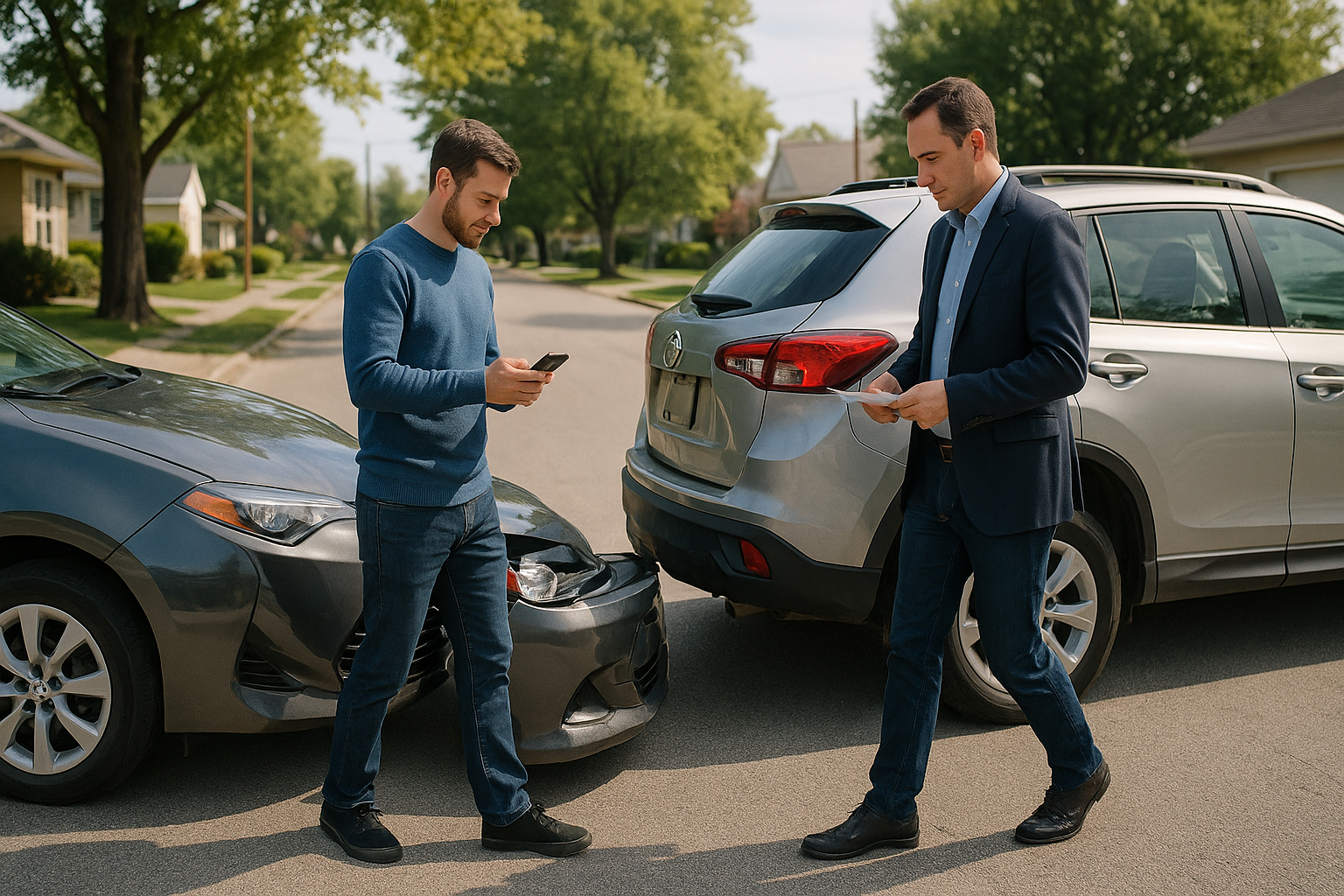
What Auto Insurance Covers: The 6 Core Coverage Types
1. Liability Coverage
Liability is the foundation of every auto policy and is required by law in nearly every state. It covers damage and injuries you cause to other people — not damage to your own vehicle.
- Bodily Injury Liability: Pays for medical bills, lost wages, and pain and suffering for people you injure in an accident you caused.
- Property Damage Liability: Pays to repair or replace other people’s vehicles or property (fences, mailboxes, storefronts) that you damage.
Example: You run a red light and hit another car. Your liability coverage pays for the other driver’s medical bills and car repairs. It does NOT pay for your own injuries or car damage.
2. Collision Coverage
Collision coverage pays to repair or replace your vehicle after an accident — regardless of who was at fault. It applies when you hit another car, a guardrail, a tree, or any other object.
Example: You back into a pole in a parking lot. Collision coverage pays for your bumper repair, minus your deductible. Your liability coverage doesn’t apply here because no other party was involved.
3. Comprehensive Coverage
Comprehensive covers damage to your vehicle from events that aren’t collisions — often called “acts of God” or “other than collision” events.
- Theft of your vehicle
- Vandalism
- Fire damage
- Hail, flood, or storm damage
- Hitting an animal (deer, etc.)
- Falling objects (tree branches, debris)
- Windshield cracks and chips
Example: A hailstorm dents your hood and cracks your windshield. Comprehensive pays for repairs minus your deductible.
4. Uninsured/Underinsured Motorist Coverage (UM/UIM)
About 1 in 8 US drivers has no insurance. UM/UIM coverage protects you when you’re hit by one of them — or by a driver whose coverage limits aren’t enough to pay your bills.
- Uninsured Motorist Bodily Injury (UMBI): Pays your medical bills if an uninsured driver hits you.
- Uninsured Motorist Property Damage (UMPD): Pays to repair your car if an uninsured driver hits it.
- Underinsured Motorist (UIM): Covers the gap when the at-fault driver’s limits are too low to cover your losses.
5. Medical Payments (MedPay) / Personal Injury Protection (PIP)
These coverages pay medical bills for you and your passengers after an accident — regardless of who caused it. PIP is broader than MedPay and is required in no-fault states.
- MedPay: Covers medical and funeral expenses for you and passengers. Available in most states.
- PIP: Covers medical bills, lost wages, childcare costs, and other expenses. Required in no-fault states (FL, NY, MI, NJ, PA, and others).
6. Optional Add-On Coverages
- Gap Insurance: Covers the difference between your car’s actual cash value and what you owe on your loan if the car is totaled.
- Rental Reimbursement: Pays for a rental car while your vehicle is being repaired after a covered claim.
- Roadside Assistance: Covers towing, flat tire changes, jump starts, and lockout service.
- New Car Replacement: Pays to replace your totaled car with a brand-new equivalent model (not just its depreciated value).
- Accident Forgiveness: Prevents your first at-fault accident from raising your premium.
- Rideshare Coverage: Fills the gap between your personal policy and your rideshare company’s coverage when driving for Uber or Lyft.
What Auto Insurance Does NOT Cover
- Mechanical breakdowns — wear and tear, engine failure, transmission problems (that’s what warranties and extended warranties are for).
- Custom parts and equipment — aftermarket stereos, custom rims, and modifications above factory specs need a separate endorsement.
- Personal belongings stolen from your car — your laptop or camera stolen from your vehicle is covered by renters/homeowners insurance, not auto.
- Intentional damage — if you deliberately damage your own car, no coverage applies.
- Using your car for business — standard personal policies exclude commercial use. Delivery drivers and rideshare drivers need additional coverage.
- Racing — any damage that occurs during a race or speed contest is excluded.
How Auto Insurance Claims Work
- Report the accident to your insurer as soon as possible — most policies require prompt notification.
- File a claim online, via app, or by phone. Provide photos, police report number, and other driver’s information.
- Claims adjuster assigned — they assess the damage and determine fault.
- Repair estimate — the insurer approves repairs at a certified shop or issues a payment.
- Deductible applied — you pay your deductible; the insurer covers the rest up to your policy limits.
- Subrogation — if another driver was at fault, your insurer may recover costs from their insurer.
7 Ways to Maximize Your Auto Insurance Coverage
- Choose replacement cost coverage over actual cash value for newer vehicles.
- Add UM/UIM coverage at limits matching your liability — it’s cheap and critical.
- Consider gap insurance if you owe more than your car is worth.
- Add rental reimbursement — it costs $3-5/month and saves you $50+/day after an accident.
- Review your policy annually — your coverage needs change as your car ages and your assets grow.
- Document your car’s condition with photos — makes claims faster and harder to dispute.
- Understand your deductibles before a claim — know exactly what you’ll owe out of pocket.
Frequently Asked Questions
Q: Does auto insurance cover a stolen car?
A: Yes — comprehensive coverage pays for vehicle theft. Liability-only policies do not cover theft of your own vehicle.
Q: Does auto insurance cover flood damage?
A: Yes, if you have comprehensive coverage. Flood damage to your vehicle is covered under comprehensive, not collision.
Q: Does auto insurance cover a hit-and-run?
A: Collision coverage pays for your car repairs. Uninsured motorist coverage pays for your medical bills if the hit-and-run driver can’t be identified.
Q: Does auto insurance cover rental cars?
A: Your collision and comprehensive coverage typically extends to rental cars. Check your policy — many drivers pay for rental car insurance at the counter unnecessarily.
Q: Does auto insurance cover a cracked windshield?
A: Yes — comprehensive coverage pays for windshield damage. Many insurers waive the deductible for glass claims.
Q: What happens if I’m in an accident and it’s not my fault?
A: The at-fault driver’s liability insurance pays your bills. If they’re uninsured or underinsured, your UM/UIM coverage steps in.
Q: Does auto insurance cover medical bills?
A: MedPay and PIP cover your medical bills regardless of fault. Liability covers the other party’s medical bills when you’re at fault.
Final Thoughts
Auto insurance is more nuanced than most people realize. Liability protects others from you. Collision and comprehensive protect your vehicle. UM/UIM protects you from others. MedPay/PIP covers medical bills regardless of fault.
Understanding exactly what each coverage does — and what it doesn’t — lets you build a policy that actually protects you when it matters. Review your current policy against this guide and make sure there are no dangerous gaps. For more insurance guides, visit the TrayEdit Insurance Hub.
Auto Insurance Coverage Comparison by Insurer (2026)
| Coverage Type | GEICO | State Farm | Progressive | Allstate |
|---|---|---|---|---|
| Liability limits available | Up to 500/500/500 | Up to 500/500/500 | Up to 500/500/500 | Up to 500/500/500 |
| Accident forgiveness | Yes (earned) | Yes (earned) | Yes (add-on) | Yes (add-on) |
| Rideshare coverage | Yes | Yes | Yes | Yes |
| New car replacement | No | No | Yes (add-on) | Yes (add-on) |
| Gap insurance | No | No | Yes (add-on) | Yes (add-on) |
What to Avoid: Common Auto Insurance Coverage Mistakes
- Assuming your personal auto policy covers business use. If you use your car for deliveries, rideshare, or regular business travel, you need a commercial endorsement or rideshare coverage. Personal policies typically exclude business use.
- Skipping rental reimbursement coverage. At $5-$10/month, rental reimbursement pays for a rental car while yours is being repaired after a covered claim. Without it, you pay out of pocket — often $40-$80/day.
- Not understanding what “full coverage” actually means. “Full coverage” is not a defined insurance term. It typically means liability + collision + comprehensive, but it does NOT include gap insurance, rental reimbursement, or roadside assistance unless you add them.
- Letting your policy lapse. Even a brief lapse in coverage flags you as high-risk and raises your rate when you reinstate. Set up autopay to prevent accidental lapses.
Expert Tips on Maximizing Your Coverage
- Add roadside assistance if you do not have AAA. At $5-$15/year as an add-on, it is far cheaper than a single tow truck call ($75-$150).
- Check if your credit card covers rental car insurance. Many premium credit cards provide collision damage waiver (CDW) for rental cars. If yours does, you can decline the rental company’s expensive coverage.
- Review your MedPay/PIP limits relative to your health insurance. If you have strong health insurance with a low deductible, you may not need high MedPay limits. If your health insurance has a high deductible, higher MedPay can fill the gap.
Finding the best auto insurance company in 2026 isn’t just about getting the lowest price — it’s about finding the right balance of coverage, customer service, claims handling, and value. With dozens of national and regional insurers competing for your business, the choices can feel overwhelming.
We analyzed rates, customer satisfaction scores, financial strength ratings, and coverage options across the top auto insurers in the US to bring you this definitive guide. Whether you’re a first-time buyer or shopping for a better deal, this breakdown will help you make a confident, informed decision.
What Makes a Great Auto Insurance Company?
Before comparing specific companies, it helps to understand what separates a great insurer from a mediocre one. The best auto insurance companies excel in five key areas:
- Competitive pricing: Rates that are consistently below or at the market average for your driver profile.
- Financial strength: An A or A+ rating from AM Best, meaning the company can pay claims even in catastrophic events.
- Claims satisfaction: High scores from J.D. Power and low complaint ratios from the NAIC.
- Coverage options: A wide range of add-ons including gap insurance, rideshare coverage, new car replacement, and accident forgiveness.
- Digital experience: A functional mobile app, online claims filing, and 24/7 customer support.
Top Auto Insurance Companies in 2026
1. State Farm — Best Overall
State Farm remains the largest auto insurer in the US by market share, and for good reason. It consistently earns top marks for customer satisfaction, offers competitive rates for most driver profiles, and has an unmatched network of local agents. State Farm’s Drive Safe & Save telematics program can reduce premiums by up to 30% for safe drivers.
- AM Best Rating: A++ (Superior)
- Average Annual Premium: ~$1,480/year for full coverage
- Best for: Drivers who want a local agent + strong claims support
- Standout feature: Rideshare coverage add-on; Steer Clear program for young drivers
2. GEICO — Best for Low Rates
GEICO is consistently one of the cheapest auto insurers in the country, particularly for drivers with clean records. Its fully digital experience — from quoting to claims — makes it ideal for tech-savvy customers who don’t need a local agent. GEICO offers 16+ discounts including military, federal employee, and good student discounts.
- AM Best Rating: A++ (Superior)
- Average Annual Premium: ~$1,320/year for full coverage
- Best for: Budget-conscious drivers with good records
- Standout feature: Mechanical breakdown insurance (rare among major insurers)
3. Progressive — Best for High-Risk Drivers
Progressive specializes in insuring drivers that other companies turn away — including those with DUIs, accidents, or poor credit. Its Snapshot telematics program rewards safe driving behavior regardless of your history. Progressive also offers the Name Your Price tool, which lets you set a budget and see what coverage you can get.
- AM Best Rating: A+ (Superior)
- Average Annual Premium: ~$1,611/year for full coverage
- Best for: Drivers with accidents, DUIs, or SR-22 requirements
- Standout feature: Name Your Price tool; gap insurance available
4. USAA — Best for Military Families
USAA consistently earns the highest customer satisfaction scores of any auto insurer — but it’s only available to active military, veterans, and their families. If you qualify, USAA offers some of the lowest rates in the industry combined with exceptional claims service and unique military-specific benefits like coverage during deployment.
- AM Best Rating: A++ (Superior)
- Average Annual Premium: ~$1,190/year for full coverage
- Best for: Military members and their families
- Standout feature: Deployment discounts; vehicle storage coverage
5. Allstate — Best for Coverage Options
Allstate offers one of the broadest ranges of coverage add-ons in the industry, including new car replacement, accident forgiveness, deductible rewards, and sound system coverage. While its base rates tend to run higher than competitors, the Drivewise telematics program can bring costs down significantly for safe drivers.
- AM Best Rating: A+ (Superior)
- Average Annual Premium: ~$1,920/year for full coverage
- Best for: Drivers who want maximum coverage customization
- Standout feature: Deductible Rewards program; new car replacement
Auto Insurance Rates Comparison Table (2026)
| Company | Avg. Annual Premium | AM Best Rating | Best For |
|---|---|---|---|
| State Farm | $1,480 | A++ | Overall value + local agents |
| GEICO | $1,320 | A++ | Lowest rates, clean record |
| Progressive | $1,611 | A+ | High-risk drivers |
| USAA | $1,190 | A++ | Military families only |
| Allstate | $1,920 | A+ | Coverage customization |
| Nationwide | $1,540 | A+ | Usage-based insurance |
| Travelers | $1,490 | A++ | Bundling discounts |
How to Choose the Best Auto Insurance Company for You
- Assess your driver profile. Your age, driving record, credit score, and vehicle type all affect which insurer will give you the best rate. A driver with a DUI gets the best deal at Progressive; a military veteran gets the best deal at USAA.
- Decide what coverage you need. State minimum liability is the legal floor — not a smart financial choice. Most drivers should carry at least 100/300/100 liability limits plus comprehensive and collision.
- Get at least 3 quotes. Rates for identical coverage can vary by 40-60% between insurers for the same driver. Always compare before buying.
- Check financial strength ratings. Only buy from companies rated A or better by AM Best. A cheap policy from a financially weak insurer is worthless if they can’t pay your claim.
- Read claims reviews. Check J.D. Power Auto Claims Satisfaction Study and NAIC complaint ratios. A company that’s cheap but slow to pay claims costs you more in the long run.
- Look for discounts you qualify for. Good student, multi-car, bundling, safe driver, low mileage, and telematics discounts can reduce your premium by 10-30%.
- Consider the digital experience. If you prefer managing everything online, prioritize companies with top-rated apps (GEICO and Progressive lead here). If you want a local agent, State Farm and Allstate have the largest networks.
7 Ways to Save Money on Auto Insurance in 2026
- Bundle auto + home/renters insurance for a 5-15% multi-policy discount.
- Enroll in a telematics program (Snapshot, Drive Safe & Save, Drivewise) — safe drivers save an average of 15-25%.
- Raise your deductible from $500 to $1,000 to lower your premium by 10-15%.
- Pay your premium annually instead of monthly to avoid installment fees.
- Maintain a good credit score — in most states, a higher credit score means lower premiums.
- Take a defensive driving course — many insurers offer a 5-10% discount for completion.
- Drop collision/comprehensive on older vehicles worth less than 10x your annual premium for those coverages.
Frequently Asked Questions
Q: Which auto insurance company is cheapest in 2026?
A: GEICO and USAA (for military) consistently offer the lowest rates nationally. However, the cheapest company for you depends on your specific driver profile and location.
Q: Is State Farm or GEICO better?
A: GEICO is typically cheaper, but State Farm scores higher for customer satisfaction and claims handling. If price is your priority, GEICO wins. If service matters more, State Farm is the better choice.
Q: How often should I shop for auto insurance?
A: Every 12 months at renewal, or after any major life change (new car, new address, marriage, adding a teen driver). Rates change constantly and loyalty rarely pays.
Q: Does credit score affect auto insurance rates?
A: Yes, in most states. Drivers with poor credit pay significantly more — sometimes 50-100% more than drivers with excellent credit for identical coverage.
Q: What is the best auto insurance for young drivers?
A: State Farm’s Steer Clear program and GEICO’s good student discount make them top choices for young drivers. Erie Insurance also offers competitive rates for teens in states where it operates.
Q: Is Progressive good for high-risk drivers?
A: Yes — Progressive is one of the few major insurers that actively markets to high-risk drivers and offers competitive rates even for those with DUIs or multiple accidents.
Q: What’s the difference between liability and full coverage?
A: Liability covers damage you cause to others. Full coverage adds comprehensive (theft, weather, animals) and collision (accidents) to protect your own vehicle as well.
Final Thoughts
The best auto insurance company in 2026 depends entirely on your situation. GEICO wins on price for clean-record drivers. State Farm wins on service and agent access. Progressive wins for high-risk drivers. USAA wins for military families — if you qualify, there’s no better option.
The most important step is to compare quotes from at least three companies before buying. Rates vary dramatically, and spending 15 minutes comparing could save you $300-$600 per year. For more insurance guides, visit the TrayEdit Insurance Hub.
What to Avoid When Buying Auto Insurance
- Carrying only state minimum liability. Minimums like 25/50/25 are dangerously low. A single serious accident can exceed those limits and expose your personal assets to lawsuits.
- Skipping uninsured motorist coverage. About 1 in 8 drivers is uninsured. If one hits you, UM/UIM coverage is the only thing protecting you from paying out of pocket.
- Choosing an insurer based on price alone. Claims handling quality varies enormously. A cheap insurer that fights every claim costs you more in the long run. Check J.D. Power claims satisfaction scores.
- Not shopping every renewal. Loyalty rarely pays. Most insurers offer better rates to new customers. Compare quotes every 12 months — the savings are real.
Expert Tips for Getting the Best Auto Insurance Rate
- Bundle home and auto. Multi-policy discounts of 10-25% are among the easiest savings available. State Farm and Allstate offer some of the strongest bundle discounts.
- Enroll in telematics before your renewal date. Most telematics programs (GEICO DriveEasy, Progressive Snapshot, State Farm Drive Safe & Save) offer an immediate discount just for signing up — even before they have measured your driving.
- Ask specifically about every discount category. Insurers do not always volunteer every discount you qualify for. Ask explicitly: military, professional association, alumni, low mileage, paperless, paid-in-full, anti-theft, new car.
- Raise your deductible if you have savings. Moving from $500 to $1,000 deductible saves 10-15% on collision and comprehensive. Only do this if you have the deductible amount readily available.
- Review your coverage after major life changes. Marriage, a new home, a new car, a teen driver — each changes your optimal coverage mix. Review annually and after any major life event.
Getting your first car insurance policy as a new driver is one of the most expensive insurance milestones you’ll face. Teen drivers and young adults pay some of the highest auto insurance rates in the country — often 2-3x what an experienced driver pays for identical coverage.
But high rates aren’t inevitable. With the right insurer, the right coverage choices, and the right discounts, new drivers can get solid protection without breaking the bank. This guide covers everything you need to know about auto insurance as a new driver in 2026.

Why Do New Drivers Pay More?
Insurance is priced on statistical risk. New drivers — especially teens — have significantly higher accident rates than experienced drivers. According to the CDC, teen drivers aged 16-19 are nearly 3x more likely to be in a fatal crash than drivers aged 20 and older.
Insurers price this risk into premiums. A 16-year-old added to a family policy can increase the premium by 50-100%. A 20-year-old buying their own policy for the first time will pay 2-3x what a 35-year-old with a clean record pays.
The good news: rates drop steadily as you build a clean driving record. By age 25, most drivers see their rates fall significantly — often 20-30% compared to their early 20s rates.
Best Auto Insurance Companies for New Drivers (2026)
| Company | Best For | Key Program | Avg. Annual Rate (Age 20) |
|---|---|---|---|
| State Farm | Teen drivers on family policy | Steer Clear (under 25) | ~$2,800 |
| GEICO | Young adults buying own policy | Good Student Discount (15%) | ~$2,600 |
| Erie Insurance | Teen drivers (where available) | YouthFirst program | ~$2,400 |
| Nationwide | Usage-based for low-mileage students | SmartRide telematics | ~$2,900 |
| Progressive | Young drivers with imperfect records | Snapshot telematics | ~$3,100 |
Should New Drivers Stay on a Parent’s Policy?
For drivers under 25 living at home, staying on a parent’s policy is almost always cheaper than buying a separate policy. Adding a teen to an existing family policy typically costs $1,000-$2,000/year extra — far less than the $3,000-$5,000 a teen would pay for their own policy.
Once you move out or get married, you’ll need your own policy. At that point, your driving history (hopefully clean) will help keep rates reasonable.
What Coverage Do New Drivers Need?
- Liability: Required by law. Recommended minimum: 50/100/50, ideally 100/300/100. Don’t carry state minimums — they’re dangerously low.
- Collision: Required if you have a car loan. Strongly recommended for new drivers who are statistically more likely to have accidents.
- Comprehensive: Required if you have a loan. Covers theft, weather, and non-collision damage.
- Uninsured Motorist: Highly recommended — about 1 in 8 drivers is uninsured.
- Gap Insurance: Essential if you financed a new car. Covers the difference between what you owe and what the car is worth if totaled.
7 Ways New Drivers Can Lower Their Insurance Rates
- Maintain a B average or better for the good student discount — worth 10-25% at most major insurers. Requires proof of GPA each policy period.
- Complete a driver’s education course. A state-approved course earns a discount and, more importantly, builds the foundational skills that prevent accidents.
- Enroll in a telematics program. State Farm’s Steer Clear and Progressive’s Snapshot are designed for young drivers. Safe driving behavior earns discounts of 15-30%.
- Choose a safe, inexpensive vehicle to insure. A used Honda Civic, Toyota Corolla, or Subaru Impreza costs far less to insure than a sports car or luxury vehicle. Check insurance costs before buying.
- Stay on a parent’s policy as long as possible. The savings are substantial — often $1,500-$2,500/year compared to a standalone policy.
- Raise your deductible. A $1,000 deductible vs. $500 can save 10-15% on your premium. Only do this if you have the deductible amount in savings.
- Avoid violations at all costs. A single speeding ticket can raise a young driver’s rate by 20-30%. A first at-fault accident can raise it 40-60%. The financial impact lasts 3-5 years.
How Rates Change as You Gain Experience
| Age | Avg. Annual Full Coverage Premium | vs. Age 35 Baseline |
|---|---|---|
| 16 | $4,800 | +220% |
| 18 | $3,900 | +160% |
| 20 | $2,800 | +87% |
| 22 | $2,200 | +47% |
| 25 | $1,700 | +13% |
| 35 | $1,500 | Baseline |
Frequently Asked Questions
Q: What is the cheapest auto insurance for new drivers?
A: Erie Insurance and GEICO consistently offer the most competitive rates for young drivers. State Farm’s Steer Clear program is excellent for drivers under 25 who want to actively earn discounts.
Q: Can a 16-year-old get their own auto insurance policy?
A: In most states, minors cannot enter into insurance contracts independently. A parent or guardian must be the primary policyholder. The teen can be listed as a driver.
Q: Does a new driver need full coverage?
A: If you have a car loan, yes — it’s required. If you own your car outright, full coverage is still strongly recommended for new drivers given the higher statistical risk of accidents.
Q: How long until my rates go down?
A: Rates typically drop meaningfully at age 25, assuming a clean record. Each year without an accident or violation helps. The biggest single drop usually happens between ages 19-25.
Q: Does a good student discount really help?
A: Yes — it’s one of the most valuable discounts available to young drivers. A 15-25% discount on a $3,000 policy saves $450-$750/year. Maintain a B average and claim it every renewal.
Q: What happens to my rate after my first accident?
A: An at-fault accident typically raises a young driver’s rate 40-60% and stays on your record for 3-5 years. Accident forgiveness (available from most major insurers) can prevent the first accident from affecting your rate.
Q: Is it cheaper to be on my parents’ policy or get my own?
A: Almost always cheaper to stay on your parents’ policy while living at home. The savings can be $1,500-$2,500/year or more.
Final Thoughts
Auto insurance as a new driver is expensive — but it’s manageable with the right approach. Stay on a parent’s policy as long as possible, maintain a clean record, stack every discount you qualify for, and choose a safe, affordable vehicle to insure.
Every year of clean driving builds your record and brings your rates down. The habits you build now — safe driving, smart coverage choices, annual comparison shopping — will save you thousands over your lifetime as a driver. For more guides, visit the TrayEdit Insurance Hub.
Average Car Insurance Rates for New Drivers by Age (2026)
| Driver Age | Avg. Annual Premium | Avg. Monthly Premium | vs. 30-Year-Old Driver |
|---|---|---|---|
| 16 | $4,800-$6,500 | $400-$542 | +180-220% |
| 17 | $4,200-$5,800 | $350-$483 | +160-190% |
| 18 | $3,600-$5,000 | $300-$417 | +130-160% |
| 19 | $3,000-$4,200 | $250-$350 | +100-130% |
| 20-21 | $2,400-$3,400 | $200-$283 | +60-100% |
| 25 (new driver) | $1,800-$2,600 | $150-$217 | +20-50% |
What to Avoid as a New Driver
- Buying a sports car or high-performance vehicle. Insurers rate vehicles by claim frequency and repair cost. A 16-year-old in a sports car can pay $8,000-$12,000/year. Choose a safe, modest vehicle — it makes a bigger difference than most people realize.
- Going with the first quote you get. Rate variation for new drivers is enormous — sometimes $2,000-$3,000/year between insurers for identical coverage. Always compare at least 3-4 quotes.
- Skipping driver’s education. Completing a state-approved driver’s ed course earns discounts of 5-15% at most major insurers and may be required in some states for teen drivers.
- Not asking about good student discounts. A B average or better earns 10-25% discounts at most insurers. This is one of the easiest discounts for teen drivers to qualify for.
Expert Tips for New Drivers and Their Parents
- Add a teen to a parent’s policy rather than buying a separate policy. Adding a teen to an existing policy is almost always cheaper than a standalone policy for the teen. The parent’s multi-car and loyalty discounts apply.
- Choose a vehicle with strong safety ratings. IIHS Top Safety Pick vehicles often qualify for lower comprehensive and collision rates. Check IIHS ratings before buying a car for a new driver.
- Enroll in telematics immediately. Programs like State Farm Steer Clear (designed for drivers under 25) and GEICO DriveEasy reward safe driving with discounts of up to 30%. New drivers who drive safely can close the rate gap faster with telematics.
- Maintain a clean record for 3 years. The biggest rate drop for new drivers comes at the 3-year mark with no accidents or violations. Every ticket or at-fault accident resets the clock and adds 20-40% to your premium.
New Driver Insurance Checklist: Your First Year
Use this checklist to make sure you have the right coverage and are building toward lower rates from day one:
- Compare at least 3-4 quotes before buying — rate variation for new drivers is $1,500-$3,000/year between insurers.
- Choose a safe, modest vehicle — avoid sports cars, luxury vehicles, and high-theft models that carry surcharges of 20-50%.
- Enroll in a telematics program immediately — safe driving discounts of 15-30% are available from day one at most major insurers.
- Complete a driver’s education course if you have not already — earns 5-15% discount and may be required in your state.
- Maintain a B average or better to qualify for good student discounts of 10-25%.
- Set up autopay to avoid lapses — even one missed payment can flag you as high-risk.
- Review your rate at 19, 21, and 25 — these are the ages where new driver surcharges drop most significantly. Shop at each milestone.
Building a clean driving record is the single most powerful thing a new driver can do to lower their insurance cost over time. Every year without an accident or violation moves you closer to standard adult rates.
]]>One of the most common mistakes drivers make is buying the minimum required auto insurance and assuming they’re adequately protected. State minimums are set to protect other drivers — not you. If you cause a serious accident with only minimum coverage, you could face lawsuits, wage garnishment, and financial ruin.
So how much car insurance do you actually need in 2026? The answer depends on your assets, your vehicle’s value, your risk tolerance, and your state’s requirements. This guide walks you through every coverage type and gives you a clear framework for choosing the right limits.
Understanding Auto Insurance Coverage Types
- Liability (Bodily Injury & Property Damage): Pays for injuries and property damage you cause to others. Required in almost every state. Expressed as three numbers: e.g. 100/300/100 means $100K per person, $300K per accident, $100K property damage.
- Collision: Pays to repair or replace your car after an accident, regardless of fault. Required by lenders if you have a car loan or lease.
- Comprehensive: Covers non-collision damage — theft, fire, hail, floods, hitting an animal. Also required by most lenders.
- Uninsured/Underinsured Motorist (UM/UIM): Covers you if you’re hit by a driver with no insurance or insufficient coverage. About 1 in 8 drivers is uninsured.
- Medical Payments (MedPay) / Personal Injury Protection (PIP): Pays medical bills for you and your passengers regardless of fault. PIP is required in no-fault states.
- Gap Insurance: Covers the difference between what you owe on your car loan and what your car is worth if it’s totaled. Critical for new cars.
State Minimum vs. Recommended Coverage
Every state sets minimum liability requirements, but these minimums are dangerously low. California’s minimum is 15/30/5 — meaning just $5,000 in property damage coverage. A single fender-bender in a parking lot can easily exceed that.
| Coverage Type | State Minimum (typical) | Recommended |
|---|---|---|
| Bodily Injury (per person) | $25,000 | $100,000 |
| Bodily Injury (per accident) | $50,000 | $300,000 |
| Property Damage | $25,000 | $100,000 |
| Uninsured Motorist | Often optional | Match liability limits |
| Collision Deductible | N/A | $500–$1,000 |
| Comprehensive Deductible | N/A | $500–$1,000 |
How Much Liability Coverage Do You Need?
The standard recommendation from financial advisors is 100/300/100 — $100,000 per person, $300,000 per accident, $100,000 property damage. This is the minimum that provides meaningful protection for most drivers.
If you have significant assets (home equity, savings, investments), you should consider higher limits or an umbrella policy. In a serious accident, medical bills and legal fees can easily exceed $300,000. Without adequate coverage, your personal assets are at risk.
Rule of thumb: your liability limits should be at least equal to your total net worth.
Do You Need Collision and Comprehensive?
If you have a car loan or lease, your lender requires both collision and comprehensive. If you own your car outright, it’s your choice — but the decision should be based on your car’s value.
The general rule: if your annual collision + comprehensive premium exceeds 10% of your car’s value, it may not be worth carrying. For a car worth $5,000, paying $600/year for collision coverage that maxes out at $4,500 (after a $500 deductible) is questionable math.
For newer cars worth $15,000+, full coverage is almost always worth it.
7 Steps to Determine the Right Coverage Amount
- Check your state’s minimum requirements — these are your legal floor, not your target.
- Calculate your net worth — your liability limits should protect assets of at least this value.
- Assess your vehicle’s value — use Kelley Blue Book to determine if collision/comprehensive makes financial sense.
- Check if you have a loan or lease — if yes, full coverage is required.
- Consider your health insurance — if you have strong health coverage, you may need less MedPay/PIP.
- Evaluate your risk exposure — long commutes, urban driving, and teen drivers on your policy all increase risk.
- Get quotes at multiple coverage levels — the price difference between minimum and recommended coverage is often surprisingly small.
7 Ways to Keep Costs Down While Maintaining Good Coverage
- Raise your deductible to $1,000 to lower your premium while keeping full coverage.
- Bundle auto with home or renters insurance for a multi-policy discount.
- Enroll in a telematics/safe driver program to earn usage-based discounts.
- Drop collision on vehicles worth less than $4,000.
- Maintain a clean driving record — even one ticket can raise rates 15-25%.
- Shop and compare quotes every 12 months at renewal.
- Ask about every available discount — good student, low mileage, military, professional associations.
Top Providers for Different Coverage Needs (2026)
| Need | Best Provider | Why |
|---|---|---|
| Lowest minimum coverage cost | GEICO | Consistently cheapest for liability-only |
| Best full coverage value | State Farm | Competitive rates + strong claims service |
| High liability limits | Travelers | Excellent umbrella policy options |
| Gap insurance | Progressive | Offers gap coverage directly |
| Military drivers | USAA | Lowest rates + deployment benefits |
Frequently Asked Questions
Q: Is state minimum auto insurance enough?
A: Rarely. State minimums protect other drivers, not you. A single serious accident can generate medical bills and legal costs that far exceed minimum limits, leaving your personal assets exposed.
Q: What does 100/300/100 mean in auto insurance?
A: It means $100,000 bodily injury coverage per person, $300,000 per accident, and $100,000 property damage liability. This is the standard recommended coverage level for most drivers.
Q: Do I need uninsured motorist coverage?
A: Yes, strongly recommended. About 1 in 8 US drivers is uninsured. If one of them hits you, UM coverage pays your bills when their nonexistent insurance can’t.
Q: How much does full coverage cost vs. minimum?
A: Full coverage averages about $1,500-$2,000/year nationally vs. $600-$800 for minimum coverage. The extra $700-$1,200/year buys substantial additional protection.
Q: When should I drop collision coverage?
A: When your annual collision premium exceeds 10% of your car’s current market value, or when you could comfortably replace the car out of pocket.
Q: Does my credit score affect how much coverage I need?
A: No — but it affects what you pay for it. Better credit = lower premiums for the same coverage.
Q: What is an umbrella policy and do I need one?
A: An umbrella policy adds $1-5 million in liability coverage above your auto and home limits. It costs $150-$300/year and is worth it for anyone with significant assets or high liability exposure.
Final Thoughts
The right amount of car insurance is the amount that protects your financial future — not just the amount that keeps you legal. For most drivers, that means 100/300/100 liability, full coverage on any car worth over $10,000, and uninsured motorist coverage at matching limits.
The cost difference between minimum and recommended coverage is often less than $50/month — a small price for dramatically better protection. Compare quotes today and make sure your coverage matches your actual risk. For more guides, visit the TrayEdit Insurance Hub.
Coverage Level Comparison: What You Get at Each Tier
| Coverage Level | Liability | Collision | Comprehensive | UM/UIM | Best For |
|---|---|---|---|---|---|
| State Minimum | State minimum only | No | No | No | Older cars, very tight budgets only |
| Basic | 50/100/50 | No | No | Yes | Older paid-off vehicles |
| Standard | 100/300/100 | Yes ($1,000 ded.) | Yes ($500 ded.) | Yes | Most drivers with newer vehicles |
| Full/Premium | 250/500/250 | Yes ($500 ded.) | Yes ($250 ded.) | Yes + GAP | New cars, high-asset drivers |
What to Avoid When Choosing Coverage Levels
- Carrying state minimums on a financed vehicle. Your lender requires full coverage. Dropping to minimums on a car you still owe money on violates your loan agreement and leaves you exposed.
- Skipping UM/UIM to save money. Uninsured motorist coverage is inexpensive (often $50-$100/year) and protects you from the 12.6% of drivers who carry no insurance.
- Keeping full coverage on a car worth under $4,000. If your annual collision + comprehensive premium exceeds 10% of your car’s value, you are likely overpaying for coverage that will not pay out much.
- Not adjusting coverage after paying off a car loan. Once your loan is paid off, you are no longer required to carry collision and comprehensive. Reassess whether the coverage is still worth the cost.
Expert Tips: Matching Coverage to Your Actual Risk
- Use your net worth as a liability guide. Your liability limits should be at least equal to your total assets. If you own a home and have savings, carry 100/300/100 minimum — not state minimums.
- Consider an umbrella policy if you have significant assets. A $1 million personal umbrella policy costs $150-$300/year and extends your liability coverage far beyond auto policy limits.
- Gap insurance is essential on new cars. New vehicles depreciate 15-25% in the first year. If you financed a new car, gap insurance covers the difference between what you owe and what the car is worth if totaled.
- Review your coverage every renewal. Your car’s value drops each year. What made sense at purchase may be over-insuring a 5-year-old vehicle.
Real Cost Examples: What Drivers Pay at Each Coverage Level (2026)
To make coverage decisions concrete, here are real-world annual premium estimates for a 35-year-old driver with a clean record in a mid-size sedan, by coverage level:
- State minimum only (25/50/25, no collision/comp): $600-$900/year
- Basic liability + UM/UIM (50/100/50, no collision/comp): $800-$1,100/year
- Standard full coverage (100/300/100 + collision $1,000 ded. + comp $500 ded.): $1,200-$1,800/year
- Premium full coverage (250/500/250 + collision $500 ded. + comp $250 ded. + GAP): $1,800-$2,600/year
The difference between state minimum and standard full coverage is roughly $600-$900/year — less than $75/month. For most drivers with a car worth more than $10,000, standard full coverage is worth the cost.
]]>